Back to Blog
Follow us


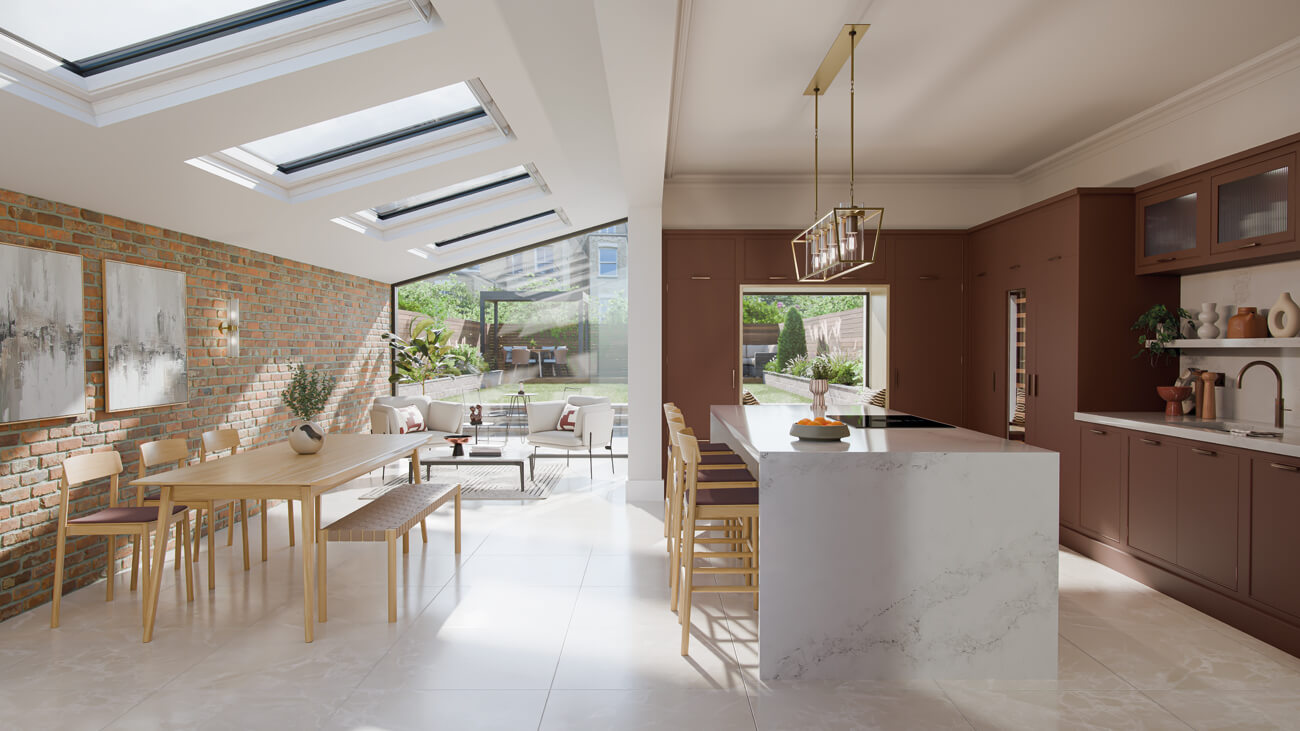
When a kitchen looks right but feels wrong, it can be difficult to put your finger on exactly why. You’re not alone – we meet many homeowners who describe their current kitchen as just “not right”, even if it’s an objectively appealing design and relatively modern kitchen space. Winding down in the space feels less like relaxing, and more like an extra chore to be done.
This feeling at home often comes about due to a mismatch between the design of the kitchen and your own natural circadian rhythms.
Circadian or human-centred design is an important consideration for high-end designers like the Tom Howley team, and the difference thoughtful design can make is astounding – spaces that are simultaneously both calmer and more energising, depending on what your body needs.
In this article, we’ll be examining the principles of circadian design, and offering our insider advice on how human-centred design can be incorporated into your kitchen.
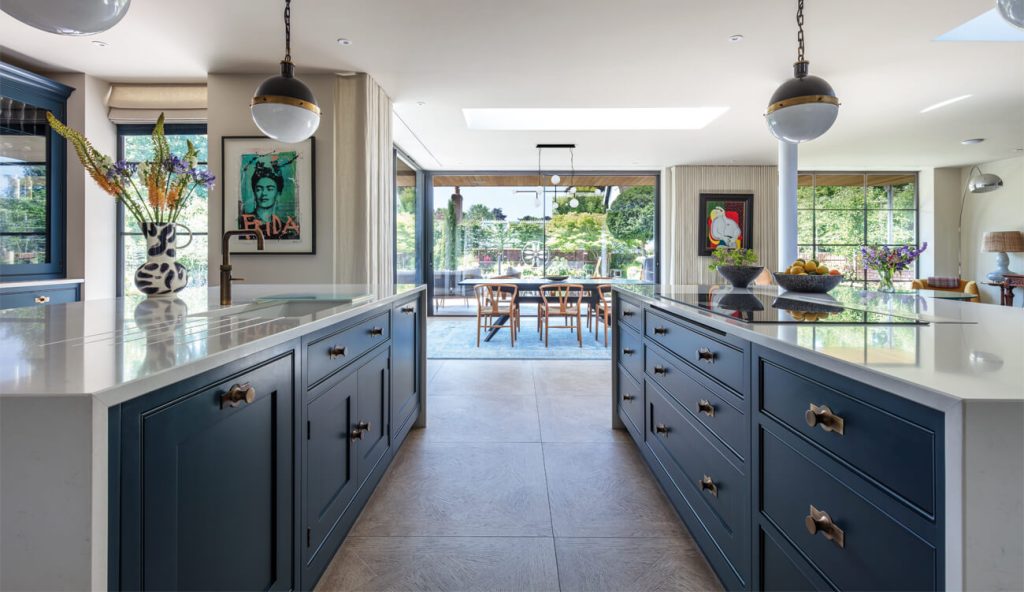
Your circadian rhythm is your body’s natural 24-hour internal clock. It regulates when you feel alert or tired, supports hormone release, and helps govern everything from digestion to energy to focus to mood. While it’s primarily influenced by light and darkness, it’s also shaped by your environment – including the spaces you spend the most time in.
Since modern humans spend 80-90% of their time indoors, the home has become a primary setting for either supporting or disrupting these rhythms.
Kitchens are often built around tasks – cooking, serving, admin. This great – an impractical kitchen can be just as disruptive as one that isn’t attuned to your natural circadian rhythms, but it does mean that all the other special experiences we have at home – family connection, socialising, unwinding – can be left by the wayside.
This is where a circadian‑led approach to design becomes helpful, offering a clearer understanding of why these tensions appear and how thoughtful design can ease them.
Circadian rhythms are hugely affected by light, so it makes sense that the way your kitchen is lit can affect how it makes you feel.
Static overhead lighting is great for when you’re busy and need to stay in movement, but it creates a single, fixed atmosphere which doesn’t account for wakeups and wind-downs. Functional lighting like over-cooker lights can also keep you energised and engaged in the evenings, making it harder to slow down.
Multiple light sources, including soft ambient lighting, warm strips, and indirect light sources give you more flexibility to accommodate your natural rhythms – bright light when you need it, and softer, cosier light at the ends of the day, when your circadian system needs to slow down. Reflective surfaces and cabinetry can also help brighten spaces in line with the natural rhythms of the earth, particularly in the mornings.
These seem like slight changes, but when you think about light as atmosphere, not just illumination, your body responds.
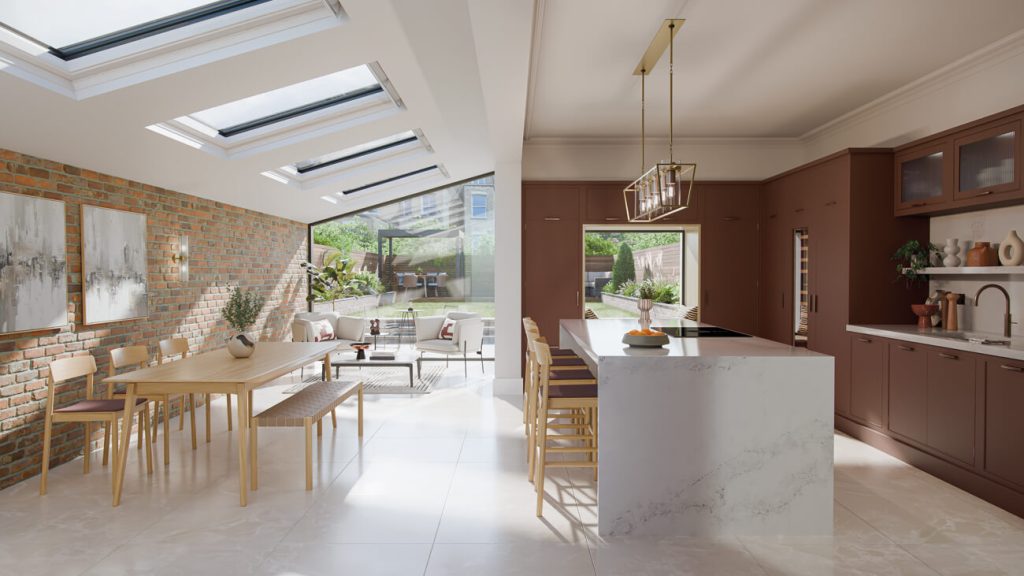
Sound can also subtly influence the mood and feeling of a home, and as an often-busy room design for action, this is very apparent in kitchen spaces. Hard floors, glazed cabinetry, and open‑plan layouts can reflect and carry noise further than you might expect, so even everyday activity feels a little sharper.
Choosing materials that help to absorb sound, rather than bounce it around, can go a surprisingly long way in creating a calmer space that helps you slow down. Matte finishes, timber details, and upholstered seating absorb some of that energy and create a gentler backdrop for family life. When paired with quieter, well‑engineered appliances, the whole space feels more composed, and the edges of daily life gently softened.
Poor circulation can make a kitchen feel busier than it really is. When routes overlap or common tasks pull you across the room unnecessarily, the pace of the space becomes slightly frantic. Even simple tasks feel a touch more demanding.
Kitchen design that prioritises clear, natural pathways calms that pace. When several people are in the room at once, these routes help everyone move comfortably without that familiar stop‑start rhythm. Some layouts also benefit from dividing the space into two zones, with a welcoming, social kitchen sitting at the front, and a separate prep area with a little breathing space to make everyday cooking feel less frantic, preventing a stressful spike in the evenings.
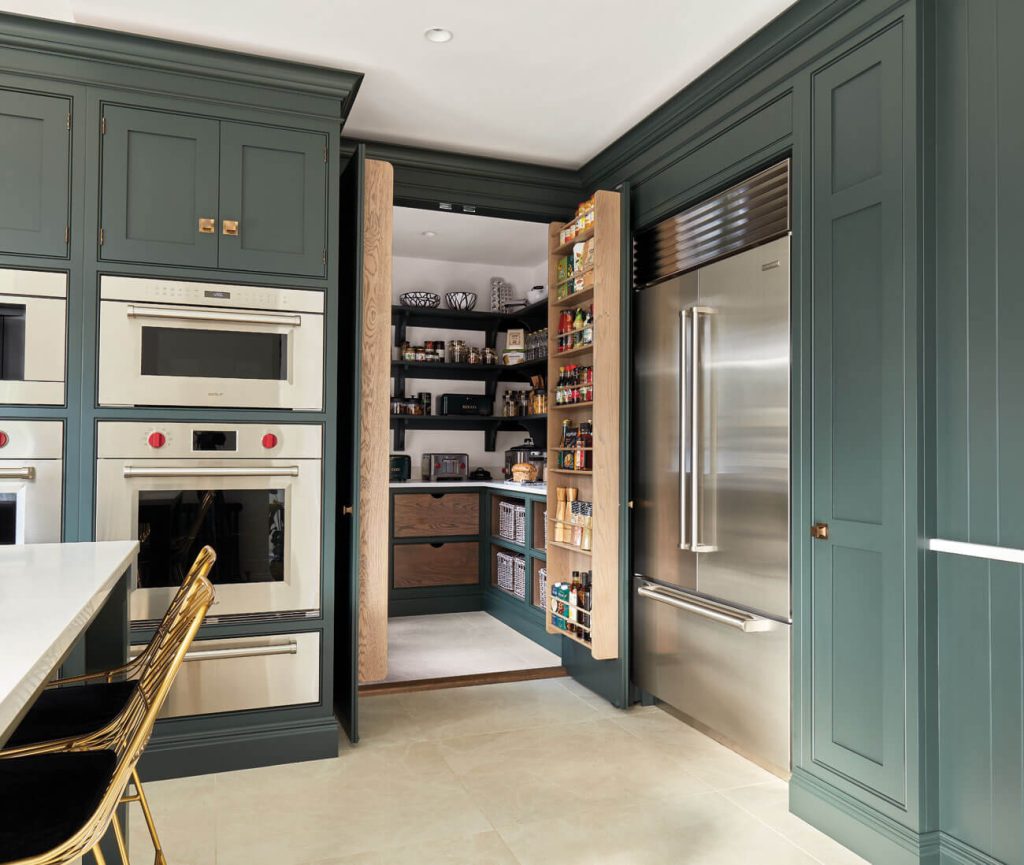
Orientation can help too. East‑facing kitchens often capture brighter morning light, which supports your natural sense of alertness in the mornings and gives the room a clear, uplifting start to the day.
A circadian‑led approach brings a different kind of harmony to the kitchen.
It considers how the space works with your body and how small shifts in light, flow and material can change the way the room feels to live in. When these elements work together, the atmosphere becomes steadier and more intuitive. Mornings feel clearer, evenings feel calmer and the everyday rhythm of the home helps you relax into more natural routines.
It’s a way of shaping the kitchen around you, creating a space that feels supportive from the first light to the last.
To learn more about how Tom Howley can help you create the kitchen that’s right for you, or to find your nearest showroom, please get in touch.