Back to Blog
Follow us



Interior Designer Lauren Gilberthorpe is recognised for her considered, sensory-led approach, layering texture, warmth and personality into modern interiors. Recently, she shared how to introduce softness and a sense of wellbeing into a contemporary kitchen, using our new Malone Collection as her starting point.
Contemporary kitchens are often defined by clean lines, unframed doors, refined details, and minimal forms. But these precise, architectural spaces can sometimes feel austere or cold. The concept of softening contemporary shows how carefully chosen materials, sensory touches, and layered textures can bring warmth, tactility, and a sense of calm to a minimalist kitchen without compromising its clean-lined integrity.
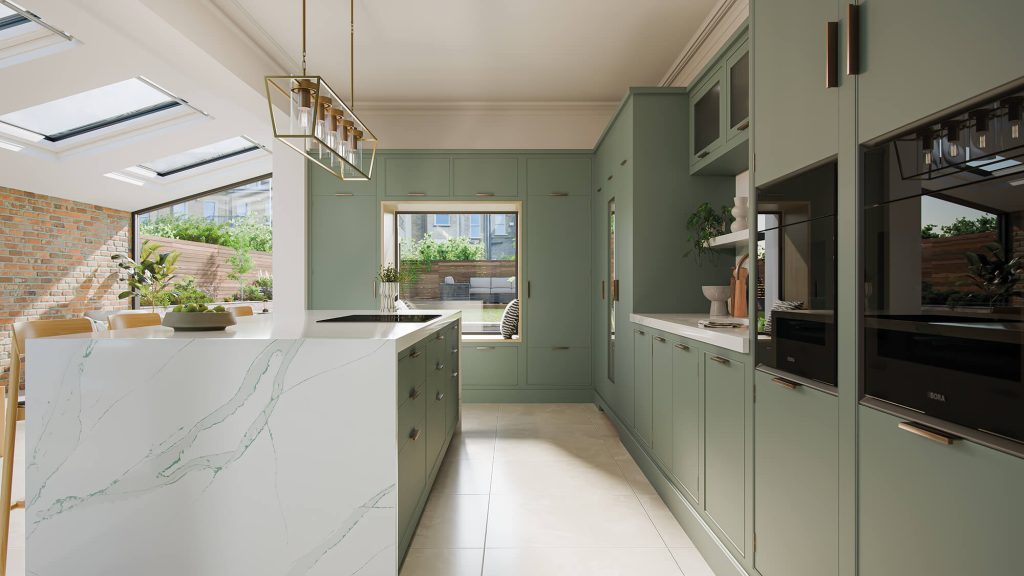
Minimalist kitchens may appear simple, but in reality, they demand exceptional precision. “The simpler the design, the harder it is to perfect,” says Tom Howley. “When you remove ornamentation, you’re left with form and proportion, and every joint, line, and finish must be flawless.”
Our Malone collection takes this principle to heart. Its flat, architectural doors are defined by an ultra-fine cock-bead detail that adds softness to the geometry. “Malone has a quiet confidence,” explains Tom. “It’s minimalist and architectural, but never cold. It brings warmth through tone, texture, and proportion. It feels fresh yet familiar, equally at home in a Georgian townhouse or a modern city apartment.”
Looking ahead to 2026, kitchens are increasingly designed as spaces of calm, connection and wellbeing. The focus is on natural, clutter-free environments that blend sustainable materials, such as warm woods and stone, with discreet smart technology, layered lighting and organic textures. The rise of warm minimalism reflects a shift toward more human-centred interiors, where softer lines, richer tones and multifunctional appliances support both beauty and everyday living.
In the following conversation, Lauren shares her approach to balancing kitchen precision with warmth, from material choices and colour palettes to styling and sensory details that enhance everyday wellbeing.
Which materials or textures do you find essential for balancing the clean lines of a contemporary kitchen
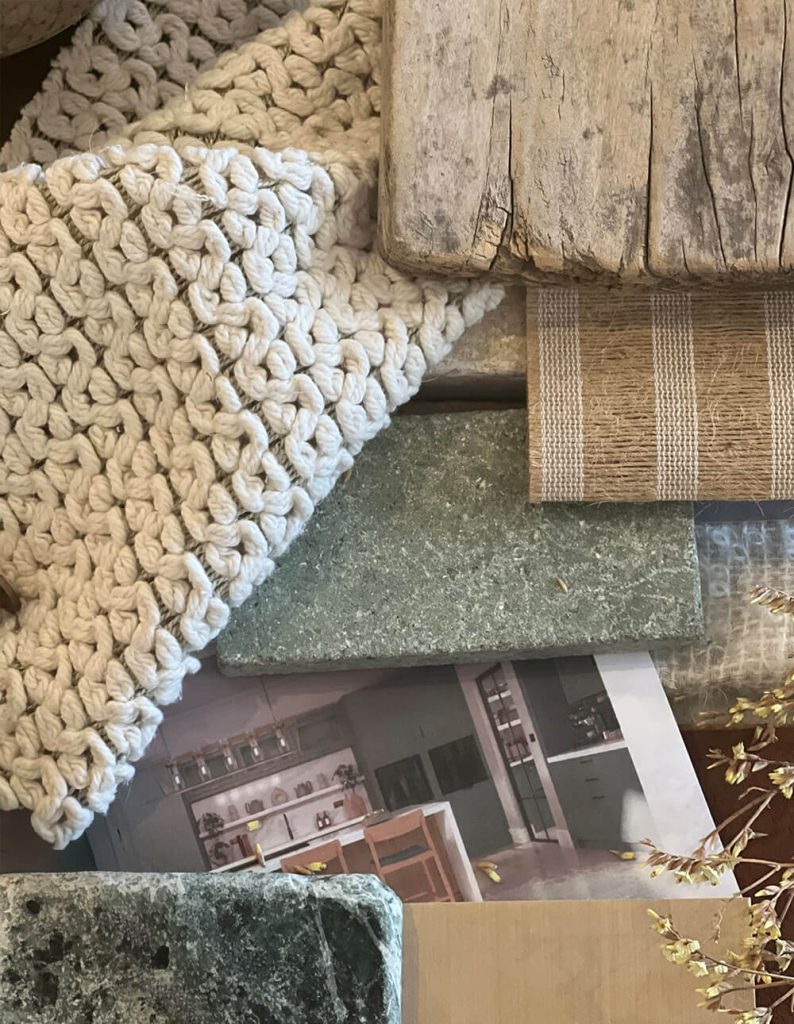
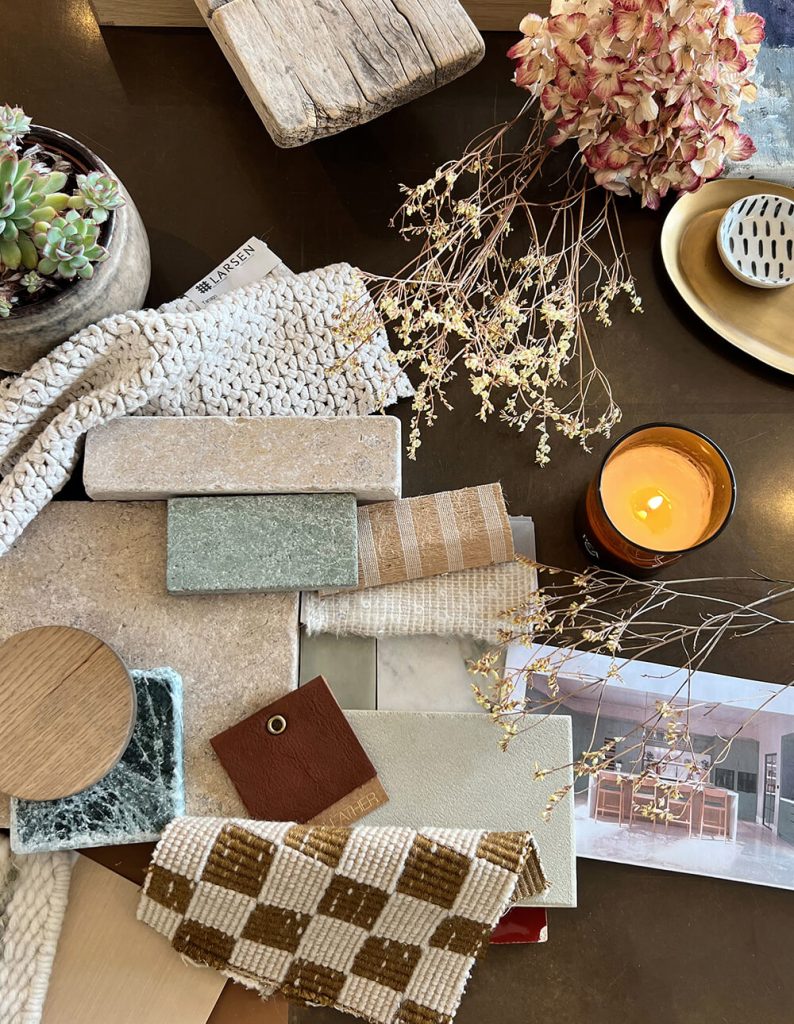
In a contemporary kitchen, I am drawn to materials that soften and bring texture to the space. Natural woods, honed limestone and pieces with a hand-finished quality introduce character, which gently balances modern cabinetry. I am often drawn to surfaces that hold light in a subtle way, such as limewash, linen and burnished brass. These elements create a sense of calm and help the room feel welcoming rather than austere.
How do you use colour to create a sense of warmth and ease in a modern setting?
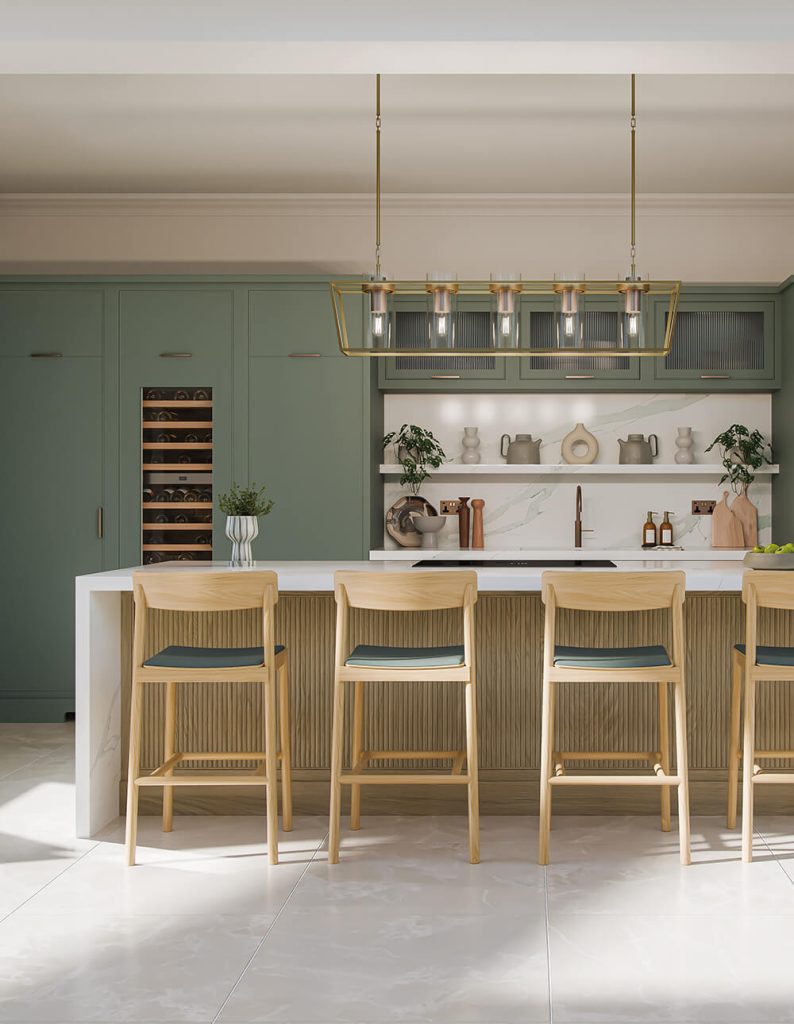
Colour plays an essential role in shaping the atmosphere of a contemporary kitchen. I tend to begin with tones drawn from the landscape, such as muted greens, warm neutrals and soft, chalky whites. These palettes sit comfortably alongside modern designs and prevent spaces from feeling too clinical. Introducing warmer undertones through timber, stone and natural textiles creates an immediate sense of ease.
I am also mindful of the room’s orientation, as colour can shift dramatically depending on the quality of light. North-facing rooms benefit from warmer, more saturated tones to counteract the cooler light, whereas south-facing rooms work beautifully with lighter, softer shades that reflect the abundance of sunlight. East-facing rooms often suit fresher, brighter hues to capture the morning light, while west-facing rooms can carry deeper, warmer colours that complement the richness of the late afternoon.
What simple styling details can instantly soften a sleek kitchen without adding clutter?
Begin by placing oversized branches from the garden in a large terracotta pot. The height and natural irregularity of the branches bring a sense of movement and gentle drama that softens hard edges. Open shelving offers a perfect opportunity to layer personality with practicality. I like to mix well-loved crockery, perhaps stacked stoneware bowls or linen napkins, with framed paintings or drawings leaning casually against the walls. Antique French chopping boards or coloured glass jugs further introduce texture and colour.
The aim is never to crowd or clutter, but to curate a few objects that are practical yet considered. The presence of well-worn pieces and subtle contrasts, such as rough terracotta against smooth glaze or a sketch beside glass, creates character. A contemporary kitchen can then feel less like a showroom and more like somewhere someone actually lives, cooks and inhabits.
Do you have a go-to method for starting a moodboard: colours first, materials first, or the feeling you want to create?
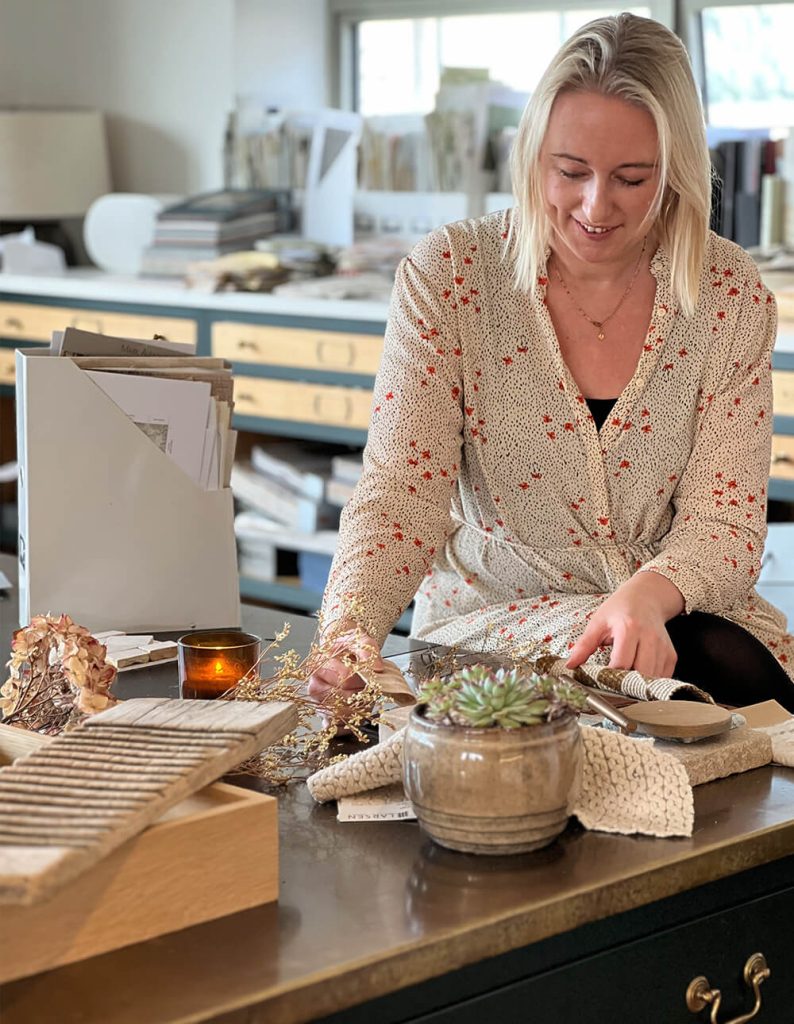
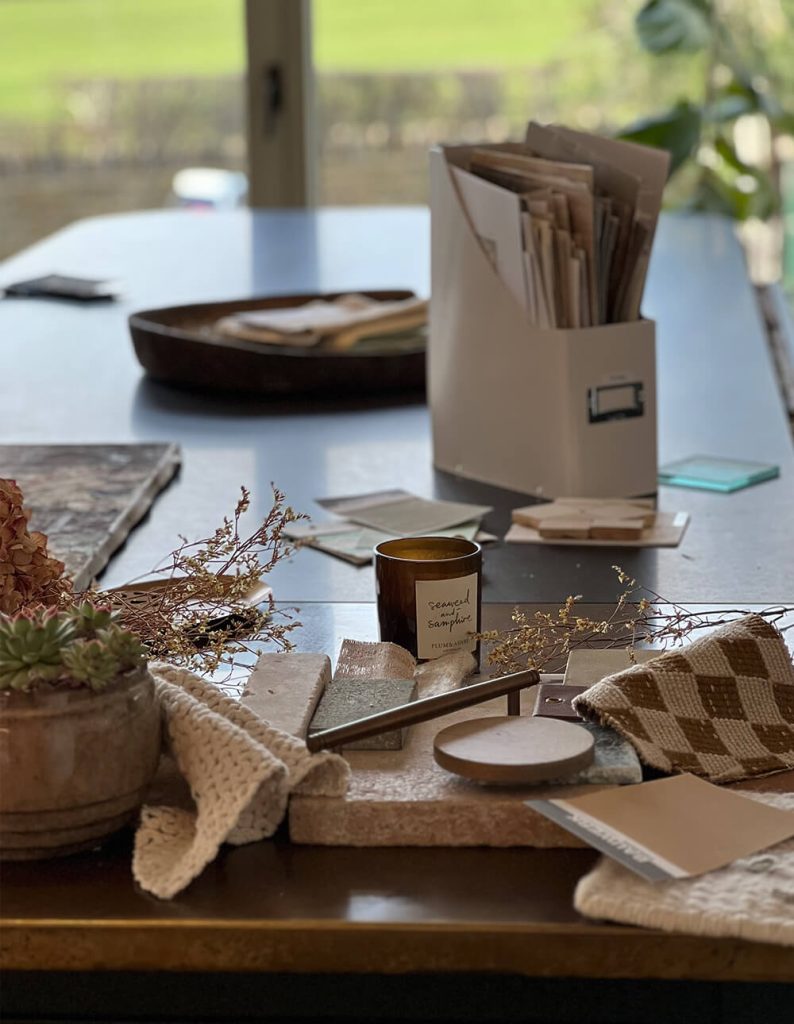
I start by considering the location and historical context of the building, alongside how the clients intend to use the space. These factors are crucial in informing the choice of materials, finishes and colour palette. Often, a painting, sculpture or piece of fabric provides the initial inspiration for the scheme. From there, I build the moodboard gradually, selecting core materials first and layering colours and textures around them.
How do lighting, scent, and small sensory moments play into creating a sense of wellbeing at home?
Attention to lighting, scent and subtle sensory details is key to creating a kitchen that feels both practical and welcoming. I prioritise layered lighting, combining functional task light with softer ambient sources, to ensure the space is comfortable at all times of day. Music also plays a role, and integrated speakers allow for a subtle, uplifting soundtrack that enhances daily routines. Small, considered elements such as a piece of artwork or a personal object placed thoughtfully within the space introduce personality and nods of life.
A huge thanks to Lauren Gilberthorpe for sharing her thoughtful interior design insights and imagery. Discover more of her work on Instagram: @laurengilberthorpeinteriors